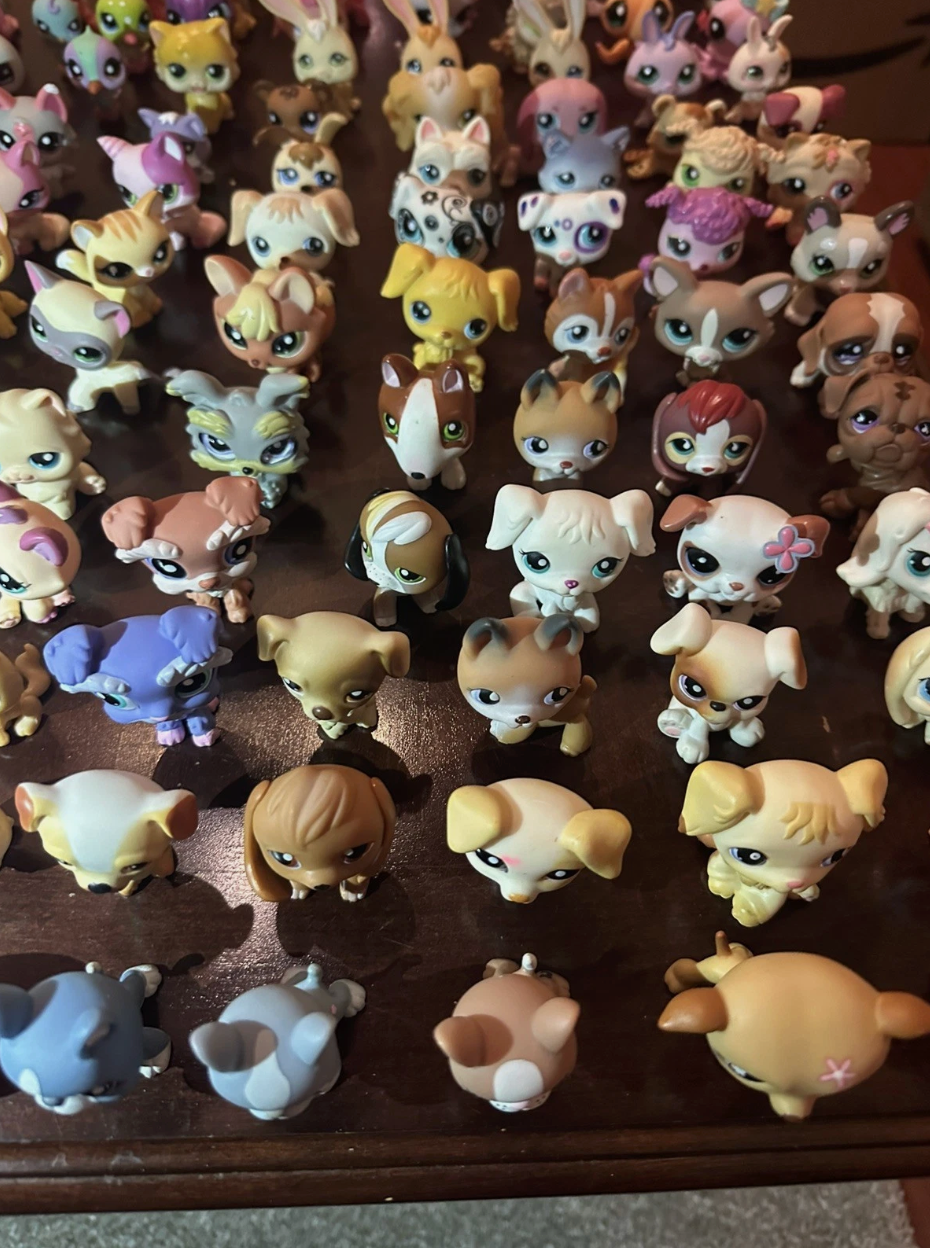
Littlest Pet Shop is having a real moment again. Thirty-something collectors who grew up with these tiny plastic pets are rebuilding their childhood collections, a new wave of TikTok and Instagram collectors are chasing rare numbers, and Hasbro's 2026 retro reissues have only pushed more attention (and demand) toward the original vintage pieces. If you're just getting started, it's easy to get overwhelmed by generations, numbers, and fakes. Here's a practical guide to help you buy smart.
LPS Generations Explained: G1 vs G2 vs G3
"Vintage LPS" actually spans three distinct generations, and knowing which one you're looking at matters for both authenticity and value.
- G1 (1990s): The original run. Smaller, less stylized pets with paw-print collars and circle cheeks. Earlier G1 pets have a blue/gray magnet underneath; later ones don't.
- G2 (2004–2012): Instantly recognizable bobbleheads with chunky bodies and big sweet eyes. Numbered roughly #460–#968.
- G3 (2011–2013): Overlapped with the tail end of G2. Stick legs, more cartoonish molds, and a return to the dot-eye iris look of G1. No magnet — just an accessory hole on the bottom. Numbered roughly #969–#2675.
If a listing doesn't specify a generation, check the body shape and eyes first — it's the fastest way to place a pet in its era.
How to Spot an Authentic Vintage LPS (and Avoid Fakes)
Because certain pets command real money, counterfeits are common. A few things to check before you buy:
- The magnet: G1 and G2 pets should have a factory magnet. Missing, non-magnetic, or unusually strong "supercharged" magnets are a sign of alteration and can cut a pet's value significantly.
- Watch the famous numbers: A handful of pets, including #675, #58, and #339, are among the most heavily reproduced. Pieces sold as "aftermarket" or "special edition" versions of these numbers are not authentic Hasbro releases.
- Know your seller: Be cautious with unverified listings shipping in bulk from overseas with no generation, number, or condition details — a red flag for counterfeit stock.
- Buy from sellers who show the goods: Clear photos of the underside (magnet or accessory hole) and the stamped number are the easiest way to self-verify a pet before it ships.
The Smartest Way to Start (or Grow) a Collection: Buying in Lots
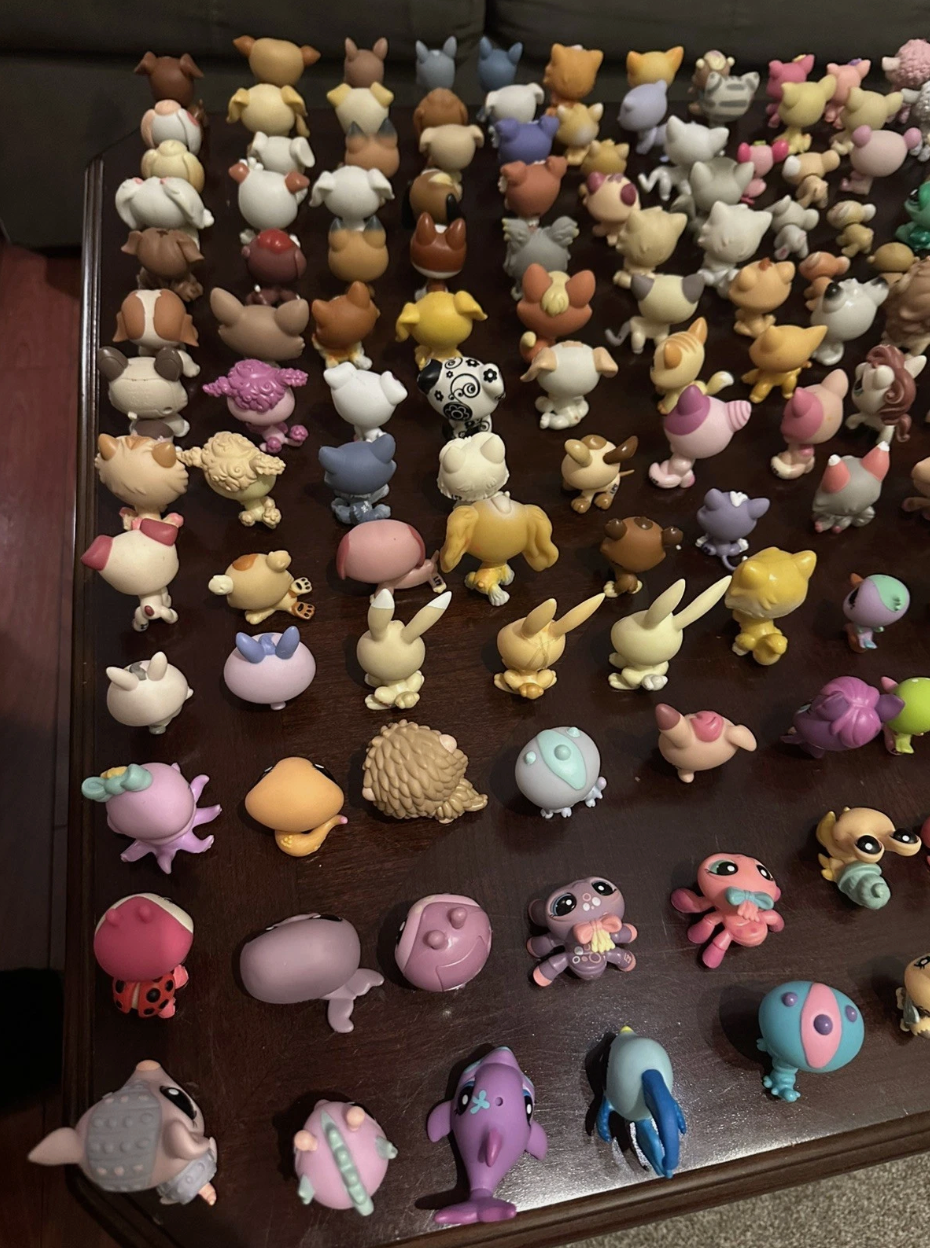
Building a collection pet-by-pet gets expensive fast, especially once you factor in shipping on individual listings. Buying an authenticated lot is usually the better cost-per-figure play, and it's the fastest way to get exposure to multiple generations, colors, and rare finds in one purchase. It's also popular with resellers and customizers who want volume to work with.
A few options currently available at The LPS:
- Littlest Pet Shop Lot of 100 Figures — a solid entry point for new collectors who want a broad mix of cats, dogs, and more.
- Huge Littlest Pet Shop Lot of 200 Original Figures — for collectors ready to go deeper without hunting piece by piece.
- Vintage LPS Mega Lot of 300+ Authentic Figures (G1–G3) — spans all three generations, ideal if you want a genuinely comprehensive collection in one purchase.
- Vintage LPS Mega Lot — 161 Pets, Playsets, RC Car & Accessories — for collectors who want playsets and accessories alongside the figures themselves.
Final Tips for New Collectors
- Sort by generation first. It makes cataloguing, display, and resale pricing far easier down the line.
- Store pets out of direct sunlight. Vintage plastic and paint can fade or yellow over time.
- Keep a simple spreadsheet of numbers you own so you're not duplicating purchases as your collection grows.
- Join the community. Collector forums and social groups are a great way to identify rare numbers and get a second opinion before a big purchase.
Whether you're chasing a specific rare number or just want a big, authentic collection to sort through, starting with a trusted lot is the easiest way in. Browse the current lots at thelps.shop.

Leave a comment
This site is protected by hCaptcha and the hCaptcha Privacy Policy and Terms of Service apply.